The Dad Bod Study
A prospective, longitudinal study following first-time fathers from pregnancy through their child's first year, measuring how new roles and responsibilities associated with fatherhood reshape cardiovascular health.
Research Aims
Identify the demographic, social and psychosocial factors that predict cardiovascular health among first-time fathers.
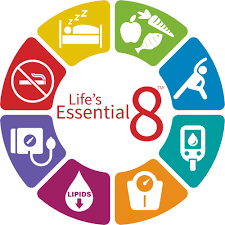
Describe how cardiovascular health changes longitudinally across the transition to fatherhood, using Life's Essential 8.
Establish best practices for recruiting, retaining and remotely collecting data from new fathers in future research.
Study at a Glance
We enrolled first-time prospective fathers (men aged 19–39) during their partner's second trimester and followed them through their child's first year. Cardiovascular health was assessed using the American Heart Association's Life's Essential 8 framework, alongside a rich set of demographic, social and psychosocial measures. Data were collected at four time points: baseline (second trimester), and at 1, 6 and 12 months postpartum. The study was conducted entirely remotely. Participants completed every assessment from home using mailed equipment and at-home sample kits, an approach designed to reach fathers across the country and to fit around the demands of new parenthood.
Manuscripts & Study Outcomes
Baseline and outcome papers from the cohort are in preparation. Following study completion, anonymized data and materials will be made publicly available.
Landry, M.J., Parker, J.J. The Role of Fathers in the Intergenerational Transmission of Obesity. Curr Obes Rep. 2026; 15 (42). https://doi.org/10.1007/s13679-026-00720-9
METHODS PAPER Landry MJ, Pineda JP, Lee JM, Hoyt MA, Edwards KL, Lindsay KL, Gardner CD, Wong ND. Longitudinal changes in lifestyle behaviours and cardiovascular health during the transition to fatherhood: the Dad Bod observational cohort study protocol. BMJ Open. 2024;14(11):e095200. https://doi.org/10.1136/bmjopen-2024-095200

“Most cardiovascular disease is preventable, and the habits that protect a man’s heart are often set early in adulthood. Becoming a father is a pivotal moment — one that can either derail those habits or be harnessed to build healthier ones. If we understand what happens to fathers’ hearts during this transition, we can intervene before risk becomes disease.”
With gratitude to the American Heart Association.
The Dad Bod Study is made possible through the generous support of the American Heart Association. Their commitment to advancing cardiovascular health allows us to investigate an overlooked dimension of men's heart health and to pursue prevention research that can change lives. We are deeply grateful to the AHA, and to the fathers and families whose participation make this work possible. AHA Award No. [24CDA1258755]